


A survey we ran in April 2026 found that nearly 1 in 2 fleet operators have already cut activity or are seriously considering it, with rising fuel costs taking the blame.
EV fleets avoid the pump and that pricing pressure but charging comes with its own headache. One driver uses a personal card. Another uses an app. A third expensed it three weeks late.
By the time finance closes the month, “charging costs” are spread across half a dozen reports while fuel lives in a completely different system.
Electric vehicle fuel cards are meant to fix that. But only if you pick the right one. Here we break down the best options for 2026, based on how they actually perform for mixed EV and gas fleets.
How We Chose The Best EV Fuel Cards
The list below is the result of weeks spent evaluating 17+ electric fuel card options through the lens of small and mid-large sized fleets operating electric vehicles in real-world conditions. We focused on how each card performs across everyday charging scenarios and whether it can support mixed EV and gas fleets without fragmenting spend.
We also looked at acceptance and charging coverage, spend controls, policy enforcement, and reporting quality. Finally, we assessed how well each EV fuel card integrates with accounting and fleet management systems, and whether pricing stays predictable as fleets scale. Here are the factors that helped us choose the best:
- Acceptance and usability: EV charging happens across public charging networks, depots, and job sites. Some electric fuel cards are closely tied to specific charging networks, while open-loop fleet cards let you charge anywhere a specific card provider, such as Visa or Mastercard, is accepted, with controls layered on top. We prioritized EV fuel cards that consistently worked where fleets already charge.
- Support for mixed fleets: When EV charging and fuel spend sit in separate systems, finance teams spend hours stitching together reports and invoices every month. That’s why we prioritized electric fuel cards that bring EV charging and fuel into one system.
- Spend control and policy enforcement: Controlling non-fuel spend becomes nearly impossible when drivers use personal credit cards for EV charging. That’s why we prioritized options that enforce clear rules, allowing EV charging and fuel while blocking non-fuel categories. Controls by driver, vehicle, time window, and transaction amount mattered most for fleets that are constantly on the move.
- Visibility, reporting, and data quality: We looked at how clearly each EV fuel card labels transactions, how quickly data becomes available, and whether it lets you review EV and fuel spend together. Clean, consistent data cuts manual cleanup, speeds up reconciliation, and gives finance teams confidence in the numbers.
- Integration with accounting and fleet systems: Even a strong EV fuel card creates friction if it doesn’t fit existing workflows. We checked whether each option integrates with common accounting, payroll, and fleet management systems. Poor integrations push work back onto finance teams, wiping out the efficiency gains the card is meant to deliver.
- Pricing transparency and long-term predictability: Electric fuel cards use a mix of pricing models: monthly fees, per-card costs, transaction fees, and network-specific charges. What mattered most was predictability. Fleets need to forecast costs as they scale without worrying about surprise usage-based fees. We prioritized cards that clearly spell out both recurring and variable costs to show the true long-term price.
That’s how we identified the electric fuel cards that hold up in day-to-day EV operations.
The 7 Best Electric Fuel Cards For 2026
Below are the electric fuel cards that stood out in our evaluation for enforcing spend controls and working where fleets actually operate.
1. Coast
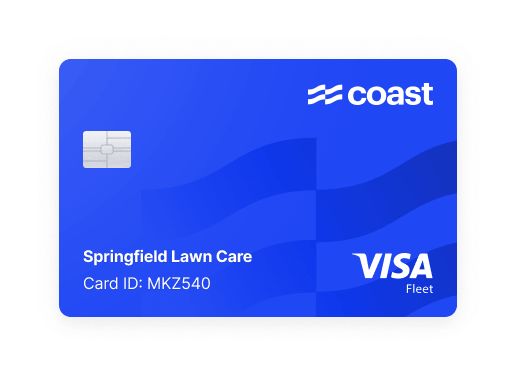
Coast’s fleet fuel card is designed for local commercial fleets that need strong spend control and visibility for both EV charging and traditional fueling. Drivers can use it anywhere Visa is accepted, including EV charging stations.
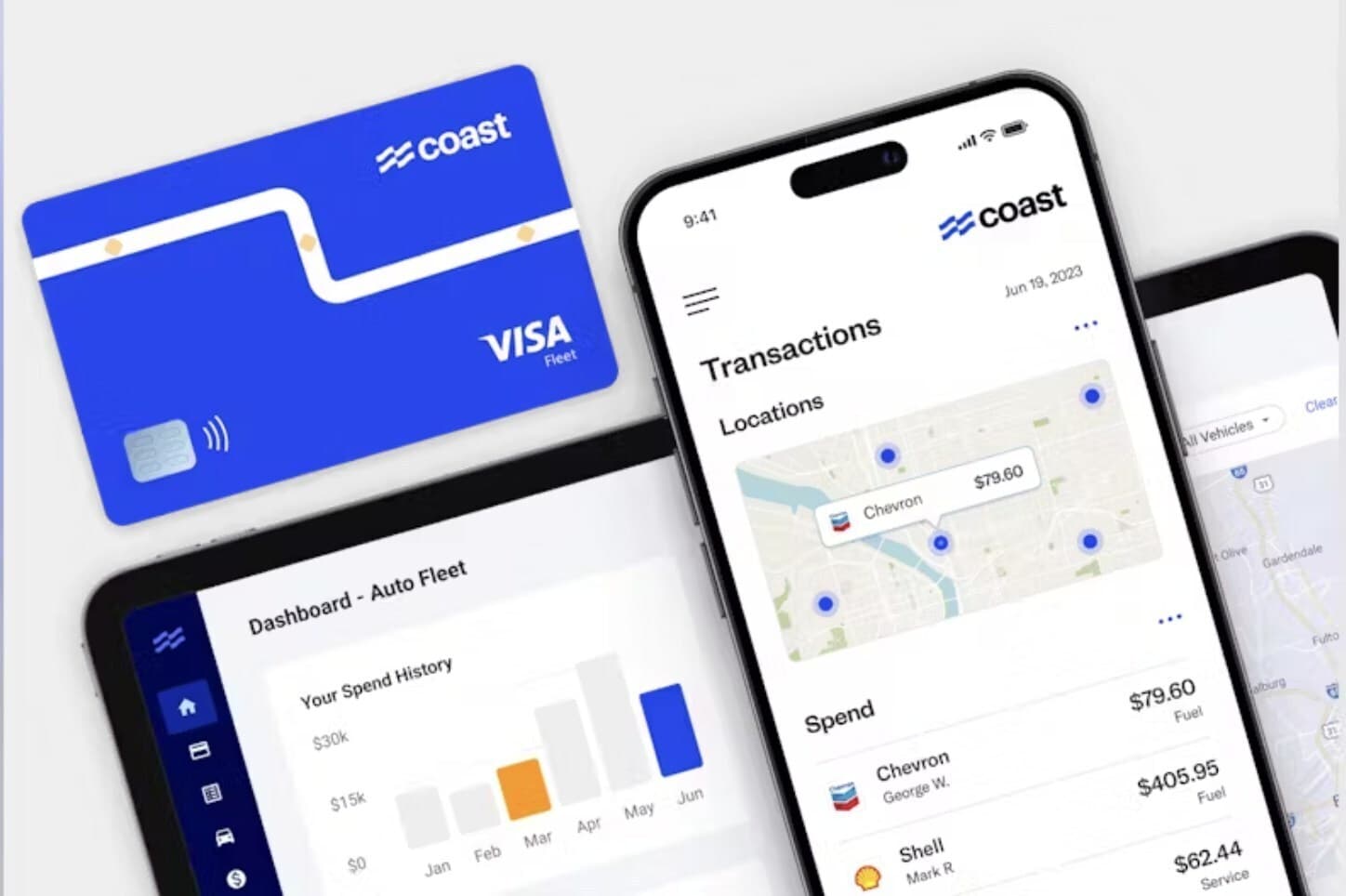
Beyond charging and fuel, you can also use the card for maintenance, parts, tolls, and material purchases. Transactions instantly appear in the dashboard with full line-item detail, giving you clear visibility into who paid, where, when, and for what.
Plus, you get 3¢–9¢ back per gallon at more than 30,000 participating fuel stations, along with 1% cash back on purchases made at non-gas merchants.*
As a fleet manager, you can control and optimize fleet fuel spend by setting rules by driver or vehicle, blocking specific merchant categories, applying daily or weekly limits, and requiring receipts or job codes for higher-value transactions. The platform logs every purchase with full detail to ensure that charging and fleet spend stay within policy.
Coast also integrates with telematics systems to help you pull mileage and vehicle data into the platform for spend analysis and anomaly detection. Plus, the platform uses GPS-based checks to confirm vehicle presence at the point of purchase, adding an extra layer of control across fleet transactions.
The card includes a $25,000 annual fuel-fraud guarantee covering both external and employee fraud (eligibility and terms apply).
- Works anywhere Visa is accepted
- 3–9¢ back per gallon at 30,000+ stations*
- Advanced spend controls and real-time reporting
- Mobile card unlock provides added security without PIN sharing or theft risks
- Works as a corporate card with built-in controls at no extra cost
- Intuitive, easy to use, and responsive customer support
- May not be suitable for long-haul trucking fleets
- Ideal for fleets with more than five vehicles
- No prepaid option available
2. Comdata
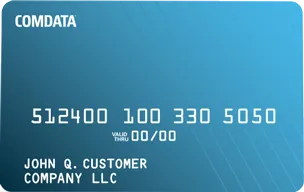
Comdata offers fuel card solutions for trucking businesses, with its ChargePass supporting EV charging and mixed fleets.
ChargePass is a single payment solution that lets you pay for EV charging and traditional fuel without juggling separate cards or systems.
The platform offers both prepaid cards and traditional charge cards that require a credit line. The Mastercard-backed ChargePass option works at most charging locations and merchants that accept Mastercard. Drivers can also pay using mobile wallets, Apple Pay, RFID, or tap and dip methods.
Plus, you get rebates at major truck-stop chains like TA/Petro, Pilot, and Love’s, along with detailed reporting, 24/7 driver support, and fraud controls. Businesses outside trucking may find the platform a little more complex. Plus, acceptance can be limited for fleets not using Mastercard.
- Works anywhere Mastercard is accepted
- No additional truck-stop fees for small businesses
- Custom card controls, real-time alerts, and advanced fraud prevention
- May not be suitable for non-trucking fleets
- Non-preferred fuel transactions incur a $3 surcharge
- Network access is restricted to 8,000+ stations without the Mastercard product
3. Fuelman
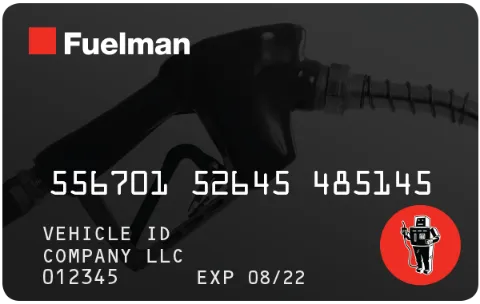
Fuelman offers a wide range of fuel cards for new businesses running gas, diesel, and transitioning EV fleets. Their Mixed Fleet card supports mixed fleets with fuel and fleet-related expenses as companies start adding electric vehicles.
They offer network-based savings on unleaded and diesel fuel at more than 40,000 stations within Fuelman’s discount network. You can also use their card for approved maintenance expenses. However, out-of-network purchases may incur extended network fees.
The platform lets you track spend by driver or vehicle, set dollar-level limits, turn cards on or off through their mobile app, and receive real-time alerts for suspicious activity. Reporting includes product-level detail, so you can easily spot misuses.
Fuelman also includes fraud monitoring and protection, with coverage up to $10,000 per card and $25,000 annually. Higher-tier plans unlock additional features like custom dashboards, enhanced reporting, and maintenance management.
- Network-based savings at 40,000+ stations
- Advanced fraud alerts and spend control features
- Fuel fraud coverage of up to $25,000 annually
- 24/7 customer service and roadside assistance
- $3 fee for out-of-network fueling
- Full, on-time invoice payment is required to qualify for rebates
- Lower-tier plans exclude maintenance tracking and payment programs
4. Wex
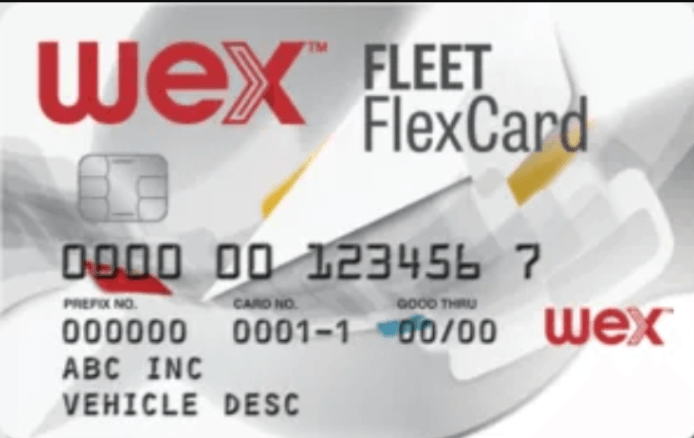
Wex is known for its versatile range of fuel cards for fleets of all sizes. You can use their cards at 95% of U.S. fuel stations and over 45,000 maintenance locations. All card options let you choose between paying the balance in full each month or using revolving credit, depending on your cash-flow needs.
Its EV offering is built to support fleets moving from gas to electric over time. Using analytics from Sawatch Labs, fleets can identify which vehicles and routes are suitable for EVs, plan charging infrastructure, track EV performance, and monitor emissions for reporting.
WEX offers several options for day-to-day charging. EV En Route gives fleets access to nearly 150,000 public charging stations across major networks like ChargePoint, EVgo, and Blink, all through the DriverDash app or a single RFID. The platform also supports home charging with EV At-Home, handling charger installation, charging approvals, and driver reimbursement through the fleet credit line.
- Nearly 150,000 public charging stations
- Works at 45,000+ maintenance locations in the U.S.
- Supports EV charging at home and company sites
- Introductory rebates expire over time
- Savings may be lower if routes aren’t planned around in-network stations
- Ongoing discounts may require paying the balance in full each month
5. AtoB
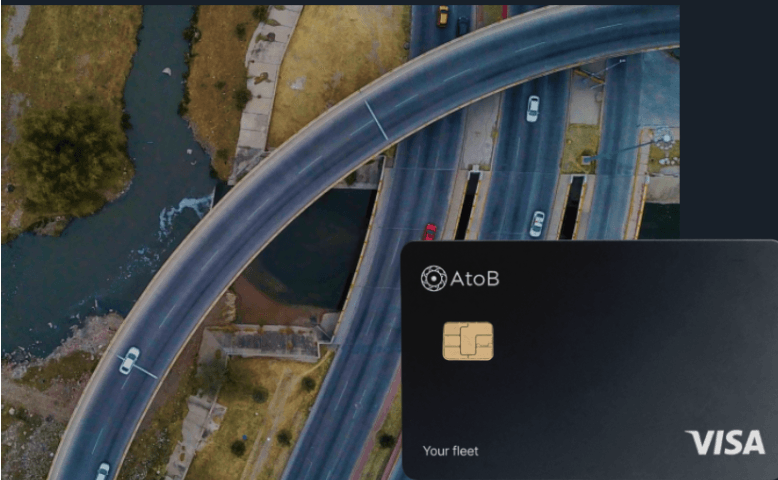
AtoB’s electric fuel cards are ideal for trucking fleets running diesel, gas, and EVs.
They offer two card options. The credit-based Mastercard is accepted anywhere Mastercard is accepted. AtoB Unlimited is a prefunded option with no credit check, designed for fleets that want tighter cash control. Plus, you get network-based savings at thousands of truck stops and gas stations, including Exxon, Circle K, TA Petro, and more. Both cards feature strong spend controls and real-time visibility.
Besides setting spending rules, fleet managers can restrict merchant types, define operating hours, and turn cards on or off. Connecting telematics software allows AtoB to flag and block out-of-policy transactions, backed by a $250,000 fraud prevention guarantee (eligibility and terms apply).
- Discounts at 30k+ fuel stations and 4,200+ truck stops
- Advanced fraud prevention and reporting features
- $250,000 fraud prevention guarantee
- Savings apply only when you fuel at network stations
- Smaller fleets may find the account setup fee harder to justify
- Advanced features like telematics integration and secure card unlock are available as paid add-ons beyond the active card fees
6. Shell
Shell’s products are ideal for both gas and electric vehicles that fuel at Shell.
Shell Card Business offers per-gallon rebates at Shell stations and access to participating Jiffy Lube locations. However, acceptance is limited to the Shell network. This makes it a solid option for fleets with predictable routes and fueling habits.
Shell Card Business Flex™ works at over 95% of U.S. fuel stations and more than 45,000 service locations. This EV fuel card supports EV charging payments both on the road and at home. This flexibility makes it more relevant for mixed fleets that need one card for fuel, charging, and maintenance as EVs are added.
The platform provides strong spend controls and reporting through tools like ClearView and WEX Fleet SmartHub. Fleet managers can set purchase limits, manage cards in real time, and track detailed transaction data. However, rebates are tied to fuel volume, which may limit savings for smaller fleets. Plus, EV benefits are strongest when paired with the Flex version rather than the Shell-only card.
- Attractive per-gallon discounts at Shell stations
- Works at 45,000+ service locations
- Strong spend control and reporting features
- Smaller fleets may see lower savings due to volume-based rebates
- EV benefits are limited to the Business Flex card

7. Exxon
ExxonMobil’s fleet cards are ideal for mixed fleets that include EVs alongside gas and diesel vehicles that regularly fuel at Exxon fuel stations.
The Exxon Mobil FleetPro Card suits mixed and heavy-duty fleets that need strong controls and consolidated reporting. When paired with Mastercard acceptance, the card can be used beyond Exxon and Mobil stations. This broader acceptance makes FleetPro a more practical EV fuel card for fleets that want one card for fuel, charging, and maintenance expenses.
The Exxon Mobil BusinessPro™ Card suits smaller and lighter-duty fleets. It offers tiered rebates at Exxon and Mobil stations, with the option to expand acceptance to up to 95% of U.S. fuel stations. Both cards include spend controls, PIN security, real-time visibility into transactions, and detailed reporting to help manage fleet spend.
ExxonMobil’s cards are centered on fuel savings. EV charging support depends on whether chargers accept standard card payments, and the strongest rebates are tied to fuel volume at Exxon and Mobil locations.
- Accepted at 95% of U.S. gas stations
- The FleetPro card works anywhere MasterCard is accepted
- Per-gallon rebates at Exxon and Mobil stations
- Real-time alerts and automatic fuel accounting
- Discounts are tied to fueling at Exxon and Mobil locations
- Broader acceptance comes with additional fees
- An upfront setup fee could be limiting for small fleets
Choosing Your EV Fuel Card: Key Considerations
You’ve seen the options. Now comes the part where you pick an electric fuel card that doesn’t fall apart once your drivers start using it. Here are the factors to check before you lock yourself into the wrong card.
- Charging and fueling requirements: EV fuel cards tied to specific charging networks work well for predictable routes and locations. However, open-loop electric fuel cards offer more flexibility when charging happens across multiple networks or shifts week to week. Choosing the wrong acceptance model is the fastest way to push drivers back to personal cards.
- Mixed-fleet readiness: Your finance team has to reconcile multiple invoices each month if EV charging and fuel spend live in separate systems. That’s why pick an EV fuel card that can handle both charging and fuel. That way, you’ll be able to keep reporting, controls, and audits manageable through the transition.
-
- Reporting clarity: Good electric fuel cards separate charging and fuel spend, and label transactions correctly. Lack of it means your finance team has to pay the price in lost time and shaky numbers.
- System compatibility and integrations: An electric fuel card should fit into your existing workflows. Look for options that integrate with your accounting software, fleet management tools, or telematics systems. Remember, clean exports are non-negotiable. Manual workarounds wipe out efficiency faster than anything else.
- Cost predictability at scale: Predictability matters more than promotional savings as fleets grow. Factor in monthly fees, per-card costs, network surcharges, add-ons, and payment terms. The right electric fuel card should make it easy to forecast long-term cost, without surprise fees creeping in as usage increases.
Curious what the right card could save you? Use our calculator to see how quickly tiny savings turn into big wins.
Why Pick Coast as Your Electric Fuel Card
Coast is built for fleets that want flexibility as they add EVs, without losing control. It works anywhere Visa is accepted, including EV charging locations that process standard card payments.
Plus, the platform lets you treat charging and fuel as controlled expenses, with every transaction visible the moment it happens.
- Wide acceptance without spend creep: Coast lets you allow EV charging, fuel, or approved fleet categories, while blocking other categories. As a result, you can fuel anywhere without worrying about convenience-store add-ons or personal purchases.
- Built-in misuse prevention: Coast locks down spend with chip security, driver verification, and real-time rule enforcement. Plus, that platform uses telematics to flag or decline transactions that don’t match the vehicle location. Coast supports these controls with up to $25,000 in annual fuel-fraud guarantee (terms apply).
- Instant visibility across charging and fuel: Coast offers you instant visibility into EV charging and fuel transactions. Your dashboard acts as a single source of truth where you can review time, location, and amount. Plus, it lets you review spending by driver, vehicle, or job.
- Fits your existing stack: Coast integrates directly with tools like QuickBooks, NetSuite, Sage Intacct, Samsara, Geotab, Verizon Connect, and Fleetio, keeping charging, vehicle data, and accounting in sync.
- Predictable pricing as you scale: Coast charges a flat $4 per active user per month, with no volume tiers. Fleets also get consistent per-gallon discounts of 3-9¢ at 30,000+ stations.*
- Grows with your fleet: Coast starts with EV charging and fuel, but expands to maintenance, parts, tolls, and other field expenses using the same controls.
Coast fits local commercial fleets that need EV fuel cards with clean, audit-ready data. Start an application today to centralize fuel and EV charging costs in one place.