


A universal fuel card is one that drivers can use at many different fuel stations, rather than just one brand. Some work with large networks like WEX, which cover most fuel stations in the United States, while others run on Visa or Mastercard, which gives drivers even more flexibility on the road.
Because there are so many universal cards available, each with its own mix of rebates, discounts, spending controls, and management tools, choosing the right one can feel overwhelming.
To make the decision easier, we reviewed the top options and narrowed the list down to 14 of the best universal fuel cards. This guide walks through what each card offers and what you can expect in terms of acceptance, savings, and control.
How We Chose the Best Universal Fleet Cards
To create our list, we focused on the features that matter most to businesses seeking a universal, reliable fuel card. We evaluated each card using the criteria below:
1. Broad acceptance
A universal card should work almost anywhere. We prioritized cards that drivers can use at thousands of locations nationwide, including major fuel brands, truck stops, and maintenance shops. This helps drivers stay on route without making extra stops or searching for specific stations. This is particularly important if your business operates in rural areas or in a region where the gas station options are not so wide.
2. Competitive rebates and discounts
Fuel is one of the largest fleet expenses. So, we prioritized fuel cards that offer per-gallon savings, cash back, or cash-priced fuel through partner networks. We looked at both branded-station rebates and the savings available across wider networks.
3. Strong, flexible spending controls
Good spending controls help businesses keep fuel budgets on track. We chose cards that let managers set limits by product type, dollar amount, time of day, and location. We also looked for cards that support driver IDs, PINs, and real-time alerts to help prevent misuse and fraud.
4. Useful tools and integrations
The best fuel cards do more than process payments. We only considered cards with features that simplify fleet operations, such as mobile apps for drivers, detailed expense reporting, fraud detection tools, IFTA support, and integrations with telematics or accounting systems.
The 12 Best Universal Fleet Cards

1. Coast
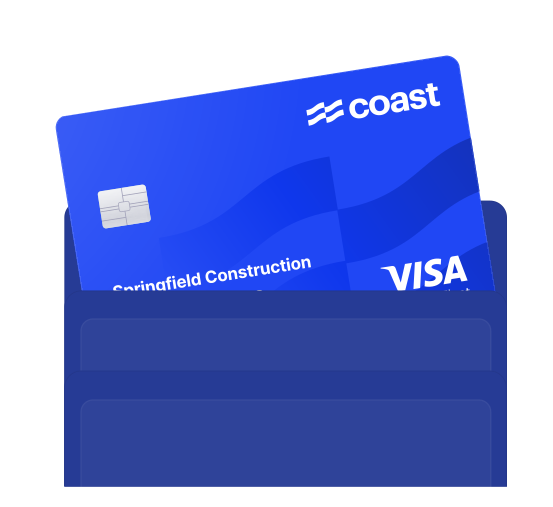
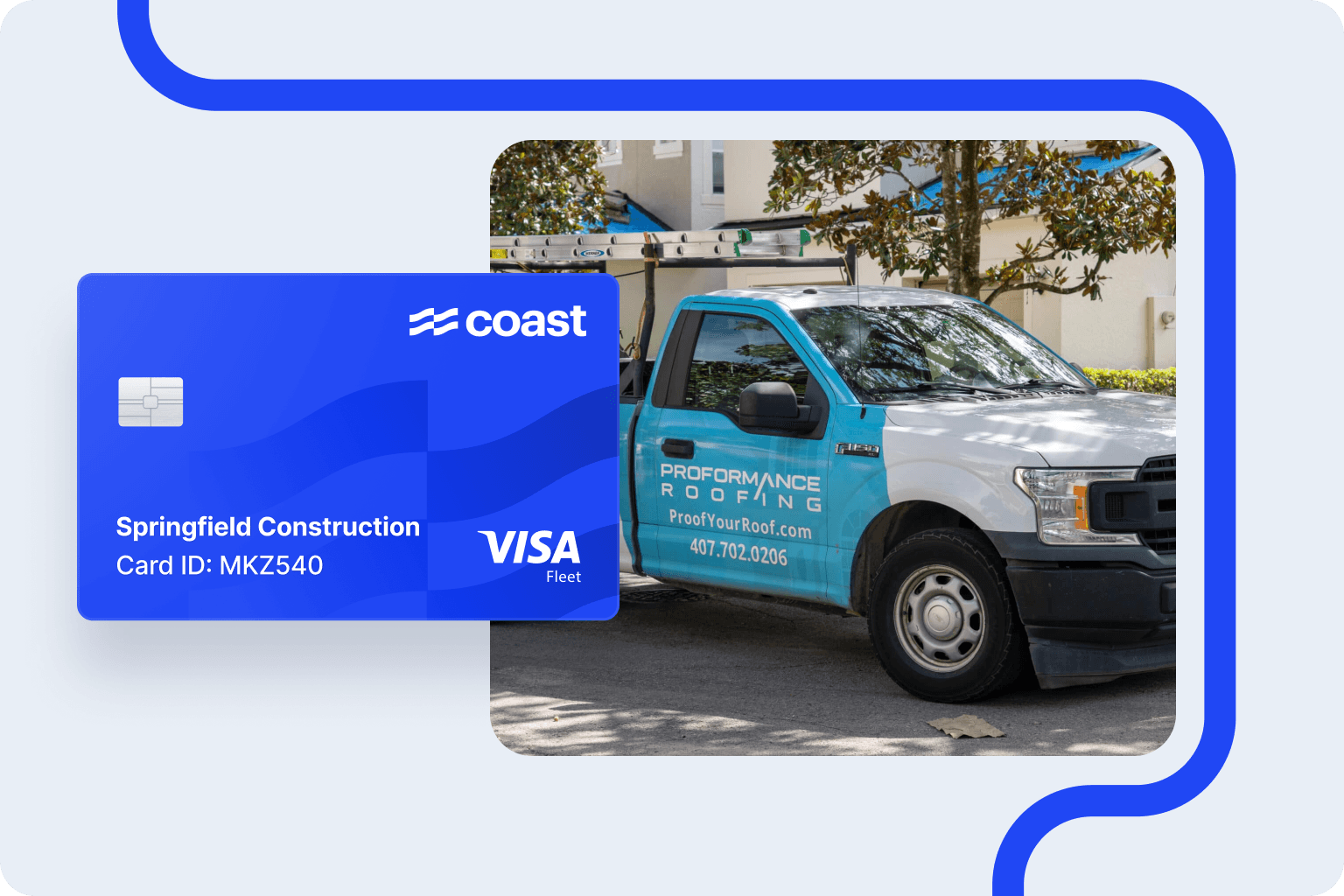
Coast is a Visa-based card that helps fleets manage fuel and everyday operating expenses in one place. Because it works anywhere Visa is accepted, drivers can fill up or handle other vehicle needs without worrying about whether a station or vendor takes the card.
Drivers can use Coast for fuel, maintenance, parts, tolls, parking, car washes, hotels, and other fleet-related purchases, as designated by you. The card offers 3–9¢/gallon in fuel rebates at more than 30,000 partner stations, along with 1% cashback at merchants other than gas stations, helping fleets reduce costs across multiple areas.
Coast gives managers extensive control over each card. They can:
→ set limits for individual drivers or vehicles
→ restrict certain merchant categories
→ and choose the exact days and times cards can be used
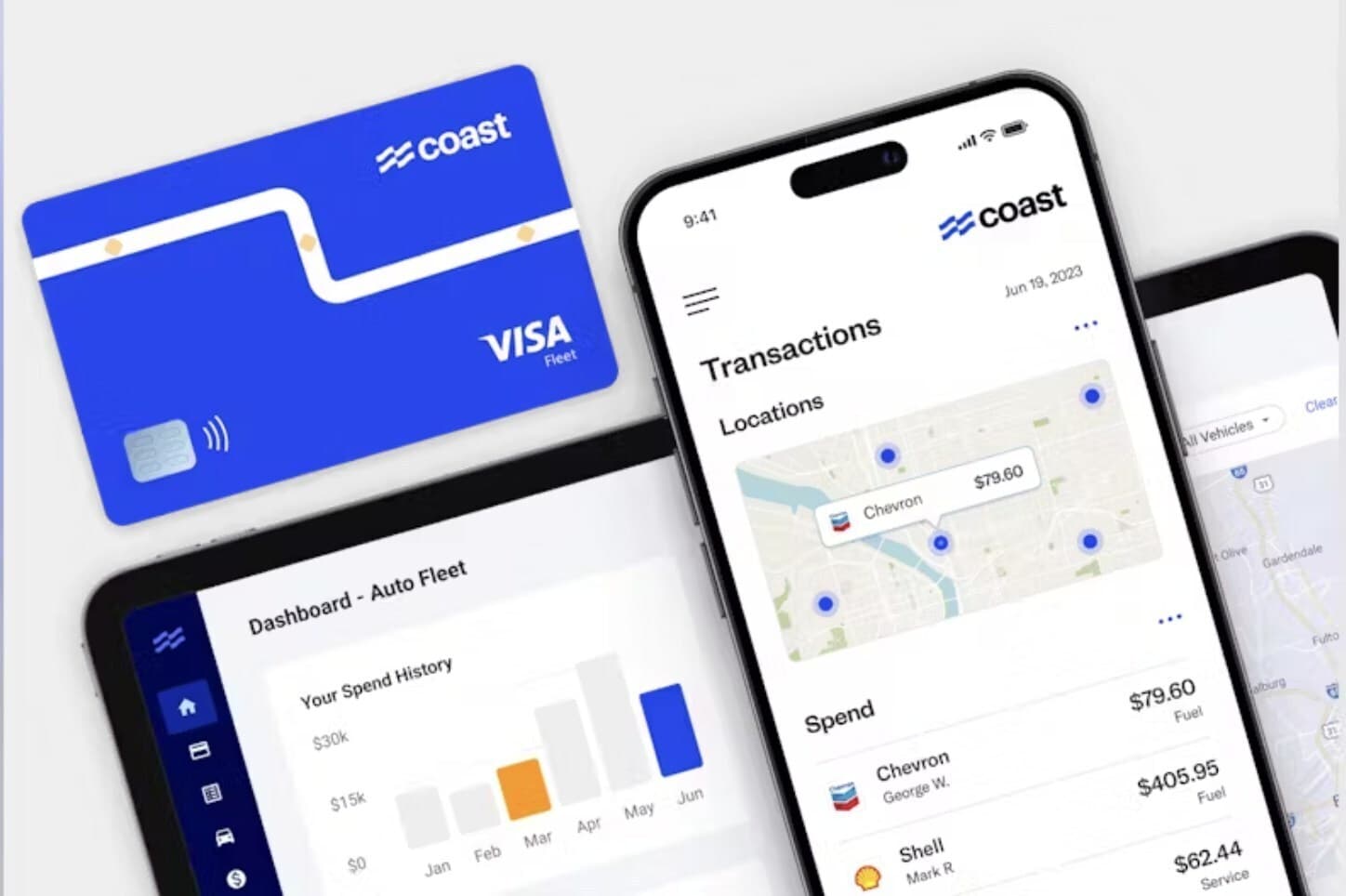
Every purchase captures clear line-item data, including fuel type, price per gallon, and total amount, all tied to each driver and vehicle. This makes it easier for managers to track card usage, catch unusual spending, and understand where fuel budgets are going.
Coast also integrates with telematics platforms like Samsara and Geotab. By comparing card activity with information like GPS location, tank size, and odometer readings, Coast can flag suspicious transactions in real-time. It also connects with accounting tools such as QuickBooks, which helps automate coding, reconciliation, and IFTA reporting.
Coast backs its security features with a $25,000 annual fuel fraud guarantee that covers both external and internal fraud (Terms apply).
- Offers 3-9¢ per gallon in fuel rebates at 30,000+ stations nationwide and 1% cashback at merchants other than gas stations
- Works anywhere Visa is accepted
- Advanced spend controls with real-time transaction data
- Strong telematics, fleet management, and accounting integrations
- Mobile card unlock to prevent PIN theft or sharing
- Can function as a corporate card with built-in controls
- Simple online portal and dedicated customer support
- Not ideal for long-haul trucking fleets
- Less suited for very small fleets with fewer than five vehicles
- No prepaid card option available
Case study: How Coast helped Milestone cut costs and eliminate fraud
Milestone Electric is a long-established home services company in Dallas with a fleet of more than 330 vehicles.
As the fleet grew, their old fuel card program created issues. Drivers could only fuel at QT stations, which often forced detours. Fuel fraud was common because PINs were written on cards and shared, and the admin team spent too much time tracking fuel types, reviewing reports, and manually verifying transactions.
However, after switching to Coast and integrating it with Samsara telematics, Milestone gained universal fueling access, real-time transaction verification, and stronger fraud protection. Coast’s mobile-based authentication replaced static PINs, and its integration with Samsara ensured that the vehicle was actually at the pump before a purchase could go through.
The results were significant:
- $130,000 in annual fuel savings, simply by allowing drivers to choose cost-effective stations
- $23,900+ in payroll savings from cutting as little as one minute of decision time per fuel stop
- $88,000 in avoided vehicle costs from fewer unnecessary miles and detours
- Major fraud reduction, thanks to GPS validation and mobile authentication
- Better admin efficiency, with fast reporting and easier fuel monitoring
When describing Coast, Tim Weisser, the Fleet Manager at Milestone Electric, says, “It’s a game changer. We used to worry about fraud all the time—cards went missing, PINs were shared, and we had no way to verify transactions. Now with Coast and Samsara, the system takes care of it. If the truck’s not there, the card doesn’t work. Simple.”
2. WEX Fleet Card
WEX is one of the most widely accepted fuel management tools in the United States. Unlike a standard credit card, the WEX card runs on its own proprietary network, which connects with over 95% of U.S. fuel stations and 45,000+ service locations nationwide. This broad acceptance ensures your drivers can fuel easily without adjusting their routes.
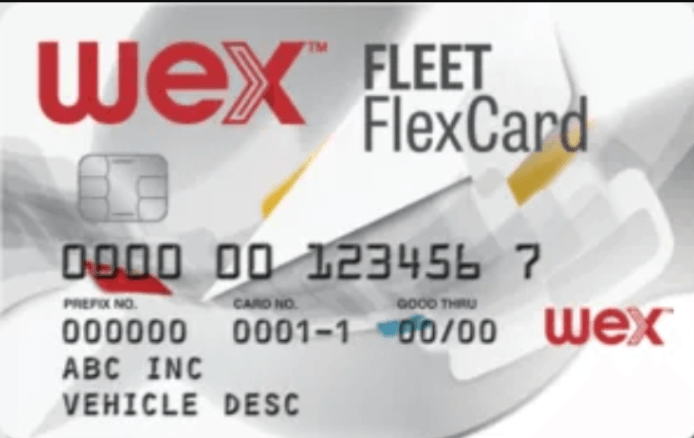
Although WEX powers over 50 different fuel and fleet credit cards (often from other companies), it offers two core cards under its own brand:
→ WEX Fleet Card: This card gives access to WEX’s discount network.
→ WEX Fleet FlexCard: This card also gives access to the WEX network and carries a monthly balance, which helps businesses manage payments.
Beyond fuel (such as gasoline, diesel, and sometimes alternative fuels), WEX cards also support fleet-related expenses, including vehicle maintenance, oil, car washes, and necessary vehicle accessories.
- Accepted at 95% of gas stations
- Advanced spend controls
- Customizable report options
- Your local station might not accept the card
- Some cards have rebates that expire after a few months
- Rebates are broken into tiers and the amount you save is dependent on how much fuel you purchase in a given month
3. AtoB Unlimited Fuel Card
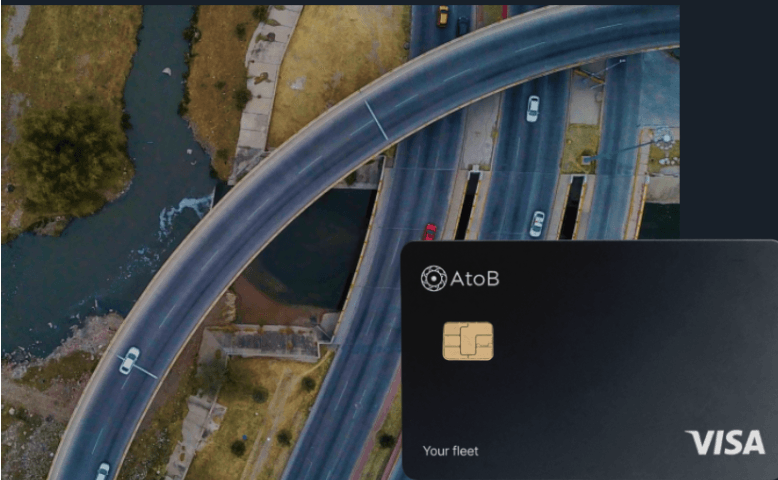
The AtoB Unlimited Fuel Card is a prepaid card that runs on the Visa network. Drivers can use it to pay for fuel, vehicle accessories, car washes, and other fleet-related purchases.
AtoB offers fuel discounts across its network of over 30,000 stations and 200+ truck stops.
AtoB gives managers control over where and when each card can be used, allowing them to limit purchases by time of day, product category, location, or merchant. It also integrates with telematics platforms to verify that a vehicle is at the pump during a transaction. AtoB states that it backs its security tools with a fraud protection guarantee of up to $250,000.
- Works everywhere Visa is accepted
- Offers good discounts at partner fuel stations and major truck stop networks
- Advanced fraud tools, including SMS card unlock and telematics integration
- Funds must be loaded into the AtoB wallet before use
- Businesses have to pay a flat monthly fee for each active card, which can increase costs for large fleets
Related read: AtoB fuel card reviews (real user takes)
4. Fuelman Mastercard®
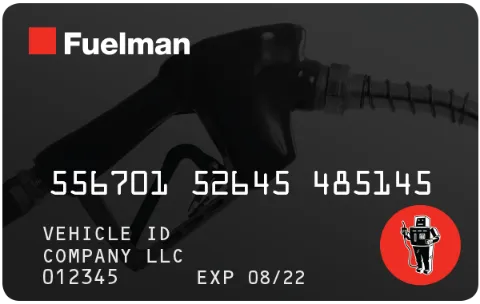
Fuelman Mastercard® is an open-loop fuel card that runs on the Mastercard network. This means that the card is accepted widely at stations that accept Mastercard in the U.S..
Fuelman gives fleet managers customizable purchase controls, so they can set spending limits by driver or vehicle, choose which product types each card can buy, and restrict the days or times the card is active. Managers can also turn cards on or off instantly through the online dashboard or mobile app.
The platform also flags unusual activity as it happens, and Fuelman states that it offers fraud loss coverage of up to $10,000 per card and $25,000 per account each year.
- Real-time fraud alerts
- Discount network
- Fuel controls
- Some options like customizable dashboards, maintenance, or fraud guarantee are only available on more expensive plans
- Invoices must be paid in full and on time in order to receive rebates
- Extended network fee of $3 for stations outside of their network
5. Shell Card Business Flex™
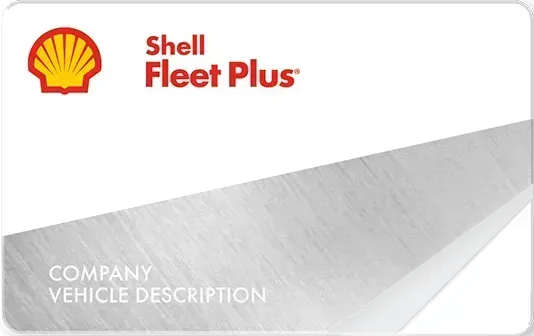
The Shell Card Business Flex™ is a universal fleet card that runs on the WEX network, meaning it’s accepted at 95% of U.S. fuel stations.
Drivers can fill up where the WEX network is accepted.
This card requires drivers to enter their Driver ID and PIN for every transaction, courtesy of the WEX system. Managers receive alerts each time the card is used, so they can see who made the purchase, where it happened, and what was bought. They can adjust spending limits from the online portal or mobile app, set rules by product type or time of day, and deactivate lost or stolen cards instantly.
The Shell platform captures details such as driver ID, fuel grade, and sales tax.
- Attractive rebates at Shell stations
- Option to choose between a Shell only card, and a card with 95% coverage
- Supports EV charging
- Rebates based on the number of gallons purchased. Small fleets might have trouble getting the full value.
- Shell Card Business can only be used at Shell stations

6. ExxonMobil BusinessPro™ Universal Card
The ExxonMobil BusinessPro™ Universal Card is a fuel card issued by WEX, which means it’s accepted at 95% of U.S. fuel stations.
Each transaction requires a Driver ID and PIN. Managers can also set spending limits by dollar amount, time of day, location, or product type, which helps keep drivers on policy and prevents monetary losses. ExxonMobil captures transaction details in real-time, including driver ID, fuel grade, sales tax, date, time, and total amount, and displays them in the online portal/mobile app.
There, managers can view card activity, access invoices, manage cards, download reports, make payments, and track available credit.
- Attractive rebates at Exxon and Mobil stations
- Spend controls and reporting
- Exxon only card has no setup, card or annual fees
- Unless you select their universal program, the card only be used at Exxon and Mobil stations
- If you want to get acceptance outside Exxon stations, you will need to upgrade to their Universal card, which has card fees
- Reliance on driver PINs leaves cards susceptible to fraud
7. Comdata Mastercard®
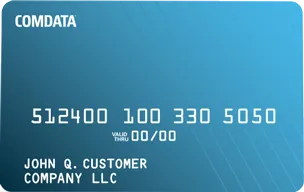
Comdata offers a range of fleet fuel cards for trucking companies, from small businesses to larger ones with multi-vehicle fleets.
Small fleets primarily access diesel discounts at TA,Pilot and Love’s. Larger fleets have access to a broader set of tools to support driver funding and fleet spending at scale.
- Accepted at 95% of gas stations
- Advanced spend controls
- Customizable report options
- If you don't have a trucking business, you might not see the full value of the card
- Limited network of 8,000+ gas stations, when not using the Mastercard product

8. Motive Fuel Card
The Motive Fleet Card is a modern payment system that runs on the Mastercard network, so fleets can use it anywhere Mastercard is accepted to pay for fuel, repairs, lodging, parts, and more.
Motive offers customizable controls, which managers can use to:
→ Set spending limits by day, time, amount, and location
→ Help block certain merchants and spend types
→ Adjust spend categories in real-time
Motive eliminates manual data reconciliation by linking vehicle telematics data (GPS, odometer, fuel level) with vehicle data. This integration powers an AI-based fraud system that can help decline suspicious purchases, such as a fuel transaction made when the vehicle is not at the station or when the fuel type does not match the vehicle. This helps reduce fuel misuse and gives managers a clearer view of fleet operations.
In terms of savings, Motive offers rebates at more than 35,000 partner locations, including Love’s, TA, Casey’s, 7-Eleven, Exxon, and Mobil.
- Tier-1 discounts on diesel at truck stops
- Integration between Motive's telematics and fuel card
- Spend controls
- Most rebates are on diesel, so you might not realize the full value if you operate gas vehicles
- Fuel fraud guarantee doesn't cover fraud by employees
9. EFS Fleet Mastercard®
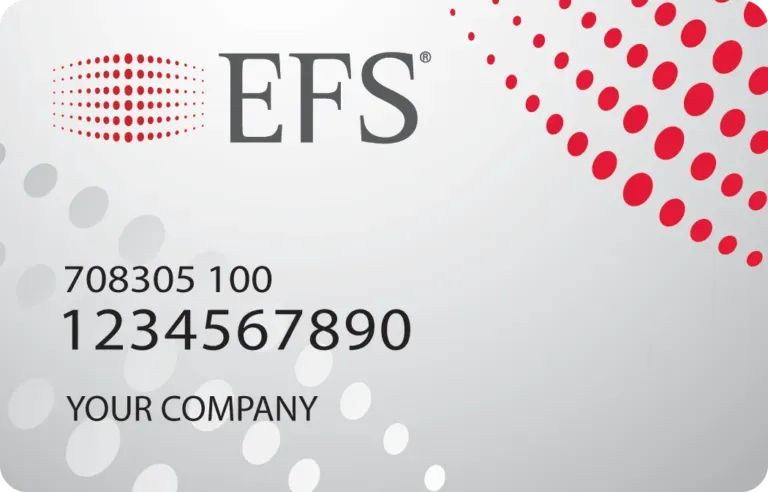
The EFS Fleet Mastercard® is a dual-network card that combines the discounts and controls of the EFS network with the broad acceptance of the Mastercard® network.
According to EFS, drivers can use the card at more than 12,000 EFS partner locations to access cash-price fuel, and they can also pay at millions of non-fuel merchants that accept Mastercard®.
Managers get purchase controls, so they can set spending limits, require unique driver IDs and PINs before every purchase, and validate purchases at the point of sale based on product type or amount.
The card integrates with EFS and WEX’s management tools, such as the WEX CardControl app for drivers and the CarrierControl platform for managers.
- Valuable features for trucking businesses, such as cash advances and ATM withdrawal
- Mastercard product can be used for fuel and fleet expenses where Mastercard is accepted
- Spend controls
- Limited network of 12,000+ gas stations, if not using the Mastercard product
- Applies transaction fees to merchants out-of-network for EDGE card
- Might not be as valuable for non-trucking businesses
10. Voyager Fleet Card
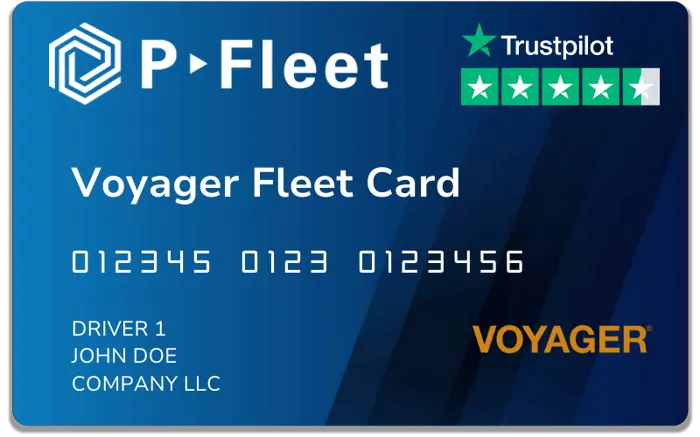
The Voyager Fleet Card, issued by U.S. Bank, has a broad card acceptance. It works at more than 320,000 fueling locations, over 60,000 maintenance and repair shops, and more than 10,000 independent truck stops.
Managers can set controls by product type, dollar amount, time of day, and number of transactions. Drivers typically enter a PIN and, in many programs, an odometer reading before fueling, helping confirm both the driver and vehicle.
- Option between a Mastercard to maximize acceptance and a Voyager-only card for fleets needing access to private fueling sites and truck stops
- Spend controls and reporting
- Mastercard product is also accepted in Canada and Mexico
- If you choose the Voyager+ card, network of stations might be limited
- Mastercard product doesn't advertise any rebates
11. Sunoco Universal Fuel Card
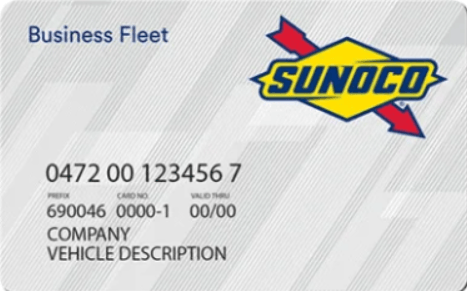
The Sunoco Universal Fuel Card runs on the WEX network which gives access to more than 95% of gas stations in the U.S. and 45,000+ service locations.
Each purchase requires a driver ID and PIN, and managers can set clear limits, such as fuel-only restrictions or dollar caps per transaction, via Sunoco’s online portal or mobile app. Sunoco’s system also pulls detailed transaction data together for accounting and reporting.
- Up to 6¢ per gallon at Sunoco stations
- Spend controls and reporting
- No setup, card or annual fees
- Rebates are tier-based. If you do not purchase the right amount of gallons, you won't receive the full benefits.
- Reliance on driver PINs leaves cards susceptible to fraud
- Need to upgrade to Universal Card in order to get broader card acceptance, which involves a lot more fees via Wex
12. Chevron and Texaco Business Access Flex Card
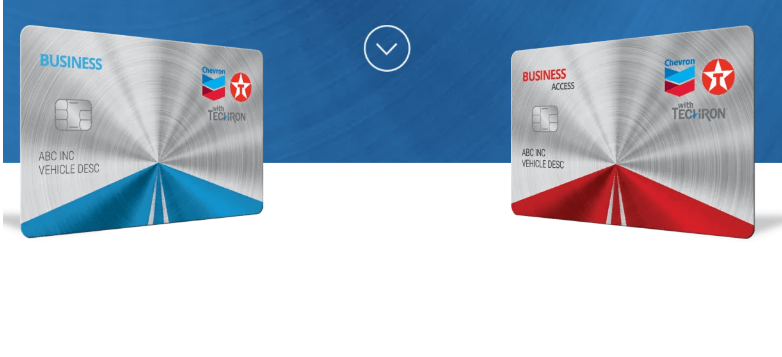
The Chevron and Texaco Business Access Flex Card runs on the WEX network. This means drivers can use it at more than 95% of fuel stations across the country and over 45,000 service and maintenance locations.
Cardholders also get access to the WEX EDGE savings program, which offers discounts on fleet-related expenses like tires, auto parts, towing services, and hotel stays.
Managers control how each card is used by specifying accepted product types (e.g., fuel only) and setting spending limits, time-of-day rules, and transaction caps.
- Rebates at Chevron and Texaco stations
- Flexibility to choose between a Chevon/Texaco only card, and a card with 95% coverage
- Spend controls and reporting
- Rebates based on the number of gallons purchased. Small fleets might have trouble getting the full value.
- Chevron Business Card can only be used at Chevron and Texaco stations.
- Business Access Card charges $2/transaction fee when used outside of Chevron and Texaco stations
Managing EV charging too? See our guide to the best electric fuel cards for fleets.
Considerations When Picking A Universal Fuel Card
Now that you’ve seen the top universal fuel card options, you can whittle down the list by considering the following factors:
1. Merchant networks
Start by looking at where the card is accepted. If your drivers cover many regions or follow unpredictable routes, choose a card with broad acceptance.
Some cards run on the WEX network, which covers about 95% of U.S. gas stations and 45,000+ service locations. Others, like Coast, AtoB Unlimited, or Fuelman Mastercard, run on the Visa or Mastercard networks, meaning they can be used anywhere these networks are accepted.
A wide network reduces detours, saves time, and helps drivers stay productive.
2. Rebates, discounts, and cash-back value
Fuel savings add up quickly, so check the card’s rebate structure. For example, Motive offers up to 21¢/gallon at stations in its Savings Network stations, while AtoB Unlimited offers up to 25¢/gallon on regular fuel and up to 45¢/gal on diesel at partner truck stops.
If you spend heavily on non-fuel items (tires, maintenance, tolls, parking, etc.), consider a card that also gives cash back, such as Coast, which offers 3–9¢/gallon in fuel rebates and 1% cash back on non-fuel spending. This helps you save across your entire fleet budget, not just on fuel.
3. Security and fraud protection
Fleet cards handle thousands of transactions, so security should be a top priority. Look for features like real-time purchase alerts, automatic flags for unusual activity, and tools that check for mismatches in location, fuel type, or tank size. You should also check how quickly you can lock or deactivate a card if it’s lost or stolen.
Some cards even offer financial protection. Coast, for example, offers a $25,000 annual fuel fraud guarantee that covers both employee and external fraud.
Why Pick Coast For Your Universal Fuel Card
Coast stands out because it gives fleets the balance most businesses want: wide acceptance, significant savings, and flexible control over spending.
Since Coast works anywhere Visa is accepted, drivers can fuel or handle vehicle expenses without changing their routes. The fuel rebates of 3–9¢/gallon at 30,000+ partner stations and 1% cash back on non-fuel spending help reduce costs across the board, not just at the pump.
Coast also gives managers flexible tools to guide spending. You can set limits by driver or vehicle, restrict merchant categories, and specify which days and times the card should be active. The card automatically blocks transactions that fall outside your policy, so you don’t have to worry about misuse.
Coast collects data on every purchase in real-time, giving you a bird’s-eye view of who spends what, where, and when. And its integrations with telematics and accounting systems help automate reconciliation, reporting, and tax preparation tasks that usually slow teams down.
Coast also backs its security with a $25,000 annual fuel fraud guarantee when you use their advanced security features (terms apply).
If you want a universal fleet card that combines flexibility, savings, and control, apply for a Coast card now.
Universal Fleet Card FAQs
What is a universal fuel card (or universal fleet card)?
A universal fuel card is a payment card that drivers can use at thousands of fuel stations, rather than being limited to one brand. Some universal cards run on networks like WEX, which cover about 95% of U.S. fuel stations. Others run on Visa or Mastercard, which gives drivers the ability to pay at millions of locations. This makes it easier for fleets to stay on route and avoid detours.
How do universal fuel cards work?
Universal fuel cards work like controlled payment cards for fleet expenses. Drivers swipe or tap the card when buying fuel or approved items. The card records the details of the transaction and sends them to the fleet’s online dashboard. Managers can review this data, set spending rules, and track fuel usage in real-time. Some cards also connect to telematics systems to match purchases with vehicle data.
What is the best universal fleet card?
The best card depends on your routes, spending habits, and the controls you need. For example, Coast is accepted at any station or location where Visa is accepted (which extends beyond the U.S.). It also offers decent rebates (3–9¢/gallon) at its partner stations, cash back on all non-fuel purchases, and tight controls that help managers prevent misuse.
The best choice is the one that gives your drivers easy access to fuel while helping you control spending and reduce fraud.
What controls can I set on a universal fleet card?
Most universal fuel cards let managers set clear limits to guide how the card is used. These can include restricting purchases to fuel only, setting dollar caps per transaction, choosing which merchants are allowed, and limiting the days or times drivers can use the card. Many cards, especially WEX-based ones, also require a driver ID or PIN at the pump, which helps track who made each purchase.
How do universal fleet cards help reduce fraud?
Most universal fuel cards include security features that help spot and stop suspicious activity. Many cards compare transaction data with GPS or vehicle information to detect mismatches, and real-time alerts notify managers when something unusual happens, such as a purchase outside set hours or at an unexpected location.
Managers can also lock or deactivate a card instantly if it’s lost or stolen, and some providers offer fraud guarantees to help protect the business financially if fraud does occur.